

In middle school, fostering a love for reading is important. Besides the books we offer our students, games are a great way to promote reading. Yes, I said it… GAMES!! Games can help boost reading skills, especially when played in small groups. They provide an interactive way to engage students and make learning more enjoyable (what kid doesn’t love games). Plus, they offer a break from the routine while still reinforcing key skills.
Don’t know where to start? Here are five games that middle schoolers enjoy and promote reading skills.
The Importance of Games to Boost Reading Skills

Games can be a great way to help students practice important reading skills like vocabulary, spelling, and comprehension interactively. When learning feels like a game instead of a task, most students are more likely to stay engaged and enjoy the process.
One of the best things about using games in the classroom is that they offer a differentiated learning experience. Games can easily be adapted to meet the varying skill levels of students. For instance, struggling readers can work with simpler words or tasks, while more advanced readers can be challenged with more complex ones. This flexibility makes it easier for all students to participate and feel successful, regardless of where they are in their reading journey.
Another big benefit of games is the social aspect. They encourage collaboration and communication, as students often work together, discuss strategies, and learn from one another. This helps build a sense of community while reinforcing reading skills in a fun, supportive environment.
Games also promote peer learning, where stronger readers can support their classmates, further enhancing everyone’s reading abilities. Now here is the list of games to boost reading!
1. Scrabble
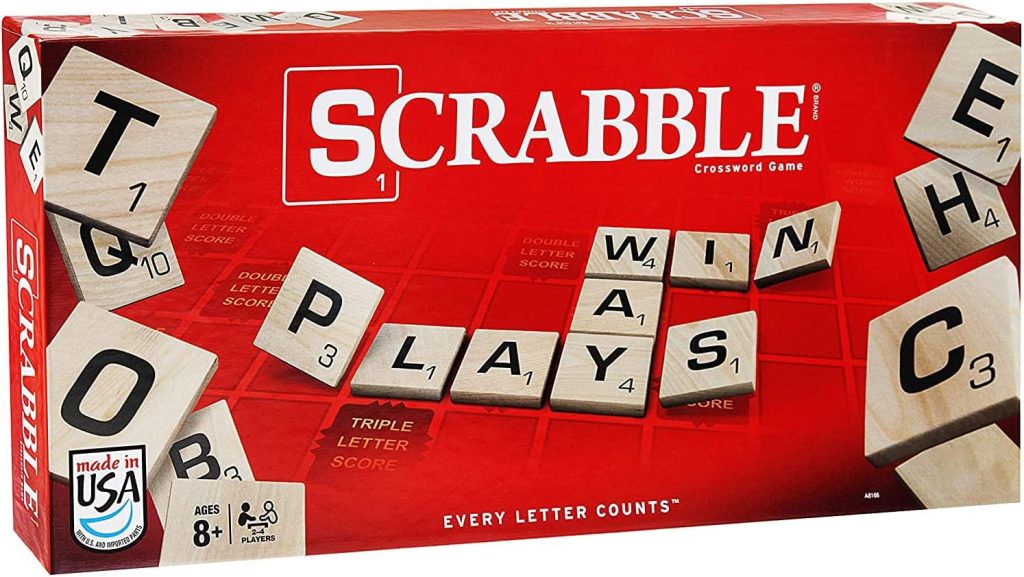
Scrabble is a tried-and-true classic that middle schoolers can enjoy while building their reading skills. Players must create words from a set of letter tiles, which challenges their spelling and helps them expand their vocabulary. The game’s competitive element keeps students engaged, while the strategic nature of Scrabble encourages critical thinking about word formation.
To keep things fresh, you can introduce themed Scrabble games based on books students are reading or focus on specific word categories, like verbs or adjectives. Another fun twist is to challenge students to create compound words. They can even do words that fit a specific genre, like science fiction or fantasy terms. This not only adds variety but also directly ties the game to their reading material, enjoyably reinforcing important language skills.
You can even offer bonus points for words related to a current novel or class unit to make the game more connected to the curriculum.
2. Boggle
Next, Boggle is a word game where players try to make as many words as possible from a 16-letter grid in three minutes. The game is played with a cube-shaped grid of letter tiles. Players shake the grid to randomly shuffle the letters. The goal is to form as many words as possible by connecting adjacent letters. Each word found helps students improve their spelling and word recognition. The player with the most words at the end of the round wins.
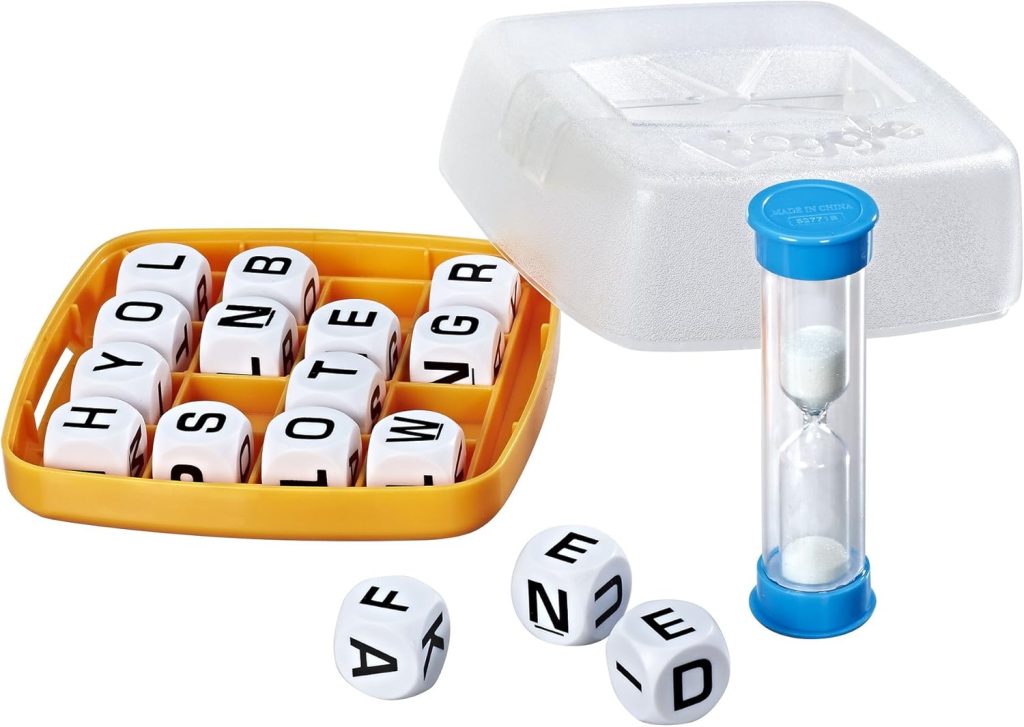
This game boosts reading because it challenges students to think quickly, recognize word patterns, and explore new vocabulary. To make the game more educational, you can give students extra points for finding words related to specific class topics or themes, like science or history vocabulary.
Another variation is to have students work in pairs or small groups. This encourages them to collaborate on finding words, which builds teamwork and helps them learn from each other.
3. Battle of the Books
Another great game to boost reading in middle school is Battle of the Books. This is a fun competition that gets students excited about what they’re reading. In this game, students are given a list of books to read, and then they compete in teams to answer questions based on the books. The quiz-style format helps them dive deeper into the stories and characters, making reading more engaging and interactive.
Battle of the Books is typically played in teams of three or four students. The questions are all about the books they’ve read, and students work together to recall details like plot points, characters, and themes. This competition is a fun way for students to show off what they’ve learned and work collaboratively with their classmates. It also encourages them to read a variety of books, which helps them expand their reading skills and knowledge.
This game helps improve reading comprehension and memory by encouraging students to focus on key details from each book. It’s a simple yet effective way to make reading enjoyable. This also helps students feel more confident about their reading abilities. The competitive aspect keeps them motivated, but it’s really about having fun with reading!
4. Book Quote Games

Your students will love playing Book Quote Games! This activity is a fun and creative way to test your students’ knowledge of books and famous quotes while helping them think more critically about what they read.
It works great with books that are part of your curriculum. You can also use a list from Battle of the Books or other book clubs your students are involved in.
This game helps students recall specific details, such as important lines or themes from the books they’ve read. Which will improve comprehension and retention.
Here’s how to play:
- Choose a book – Pick a book that the class has read or is familiar with.
- Choose a quote – Find a memorable quote from the book.
- Give clues about the quote – You can provide hints about the speaker, context, or theme related to the quote.
- Guess the source – The other players try to guess which book the quote is from.
- Switch roles – The player who correctly guesses the book gets to choose the next book and quote.
- Rotate turns – Keep playing until everyone has had a chance to pick a book and quote.
This game not only reinforces students’ understanding of the book but also introduces them to new quotes and ideas from other books, expanding their reading list and encouraging peer recommendations. It’s a simple and fun way to promote a love for reading, while also sharpening memory and analytical skills.
5. Character Charades
Character Charades is a fun, interactive way to get students thinking deeply about the characters they’ve read about in books. This game encourages students to recall details about characters, such as their personality traits, actions, and motivations while adding an element of creativity and movement.

Not only does it make reading more engaging, but it also helps boost important reading skills like comprehension and critical thinking as students analyze the characters.
Here’s how to play:
- Choose a book – Pick a book that the class has read recently.
- Select a character – Each student secretly chooses a character from the book.
- Act it out – One by one, students act out the character without using any words, relying only on gestures and expressions.
- Guess the character – The rest of the class tries to guess which character is being portrayed based on the actions.
- Rotate turns – The student who guesses correctly gets to go next and choose a character to act out.
By acting out and guessing the characters, students sharpen their understanding of the text, helping reinforce the story’s key details. This game boosts reading skills by encouraging comprehension, memory, and the ability to analyze characters in a fun and collaborative way!
How Games and Standards-Based Assessments Boost Reading Progress
While games are a fantastic way to boost reading skills and keep students engaged, it’s equally important to measure progress. This is where standards-based assessments (SBA) come in.
After using games to reinforce learning in a fun, interactive way, SBAs provide a structured method to evaluate how well students are mastering specific skills. The combination of games and SBAs creates a powerful cycle.
Games promote engagement and practice, while SBAs offer concrete data on student progress. This allows teachers to adjust instruction and ensure that students are meeting key standards.
Standards-based assessments not only track progress but also ensure that lessons are aligned with specific learning goals. By focusing on what students have truly learned, SBAs provide insights that traditional assessments might overlook. To learn more about how standards-based assessments can improve your teaching and receive a FREE resource to get started, check out this blog post!

FREE
Standard-Based Resources
Sign Up and Receive:
- 6th-8th ELA Standards-Based Data Tracker
- 2 Fiction Standards-Based Assessments
- 2 Non-Fiction Standards Based Assessments